Harringay Ladder man and van tips for narrow streets
Posted on 10/05/2026
Harringay Ladder Man and Van Tips for Narrow Streets
Moving in the Harringay Ladder sounds straightforward until you meet the reality of narrow streets, parked cars, tight turns, awkward front steps, and neighbours trying to get on with their day. If you are planning a local move, a flat clearance, or a quick delivery in this part of North London, the right Harringay Ladder man and van tips for narrow streets can save time, reduce stress, and help you avoid the sort of small problems that become big ones by lunchtime.
This guide is built for real-world moving conditions in the Ladder: the sort where access matters as much as the van itself. You will find practical advice on planning, loading, parking, timing, and choosing the right service level. If you need a broader service overview as well, you can also explore the full moving services overview and the dedicated man and van service in Harringay.
Let's face it: on a narrow residential street, a smooth move usually comes down to the details. A few extra minutes of planning can mean fewer footsteps, fewer apologies, and a lot less faffing about with boxes balanced on a pavement that suddenly feels too small.
Why Harringay Ladder Man and Van Tips for Narrow Streets Matters
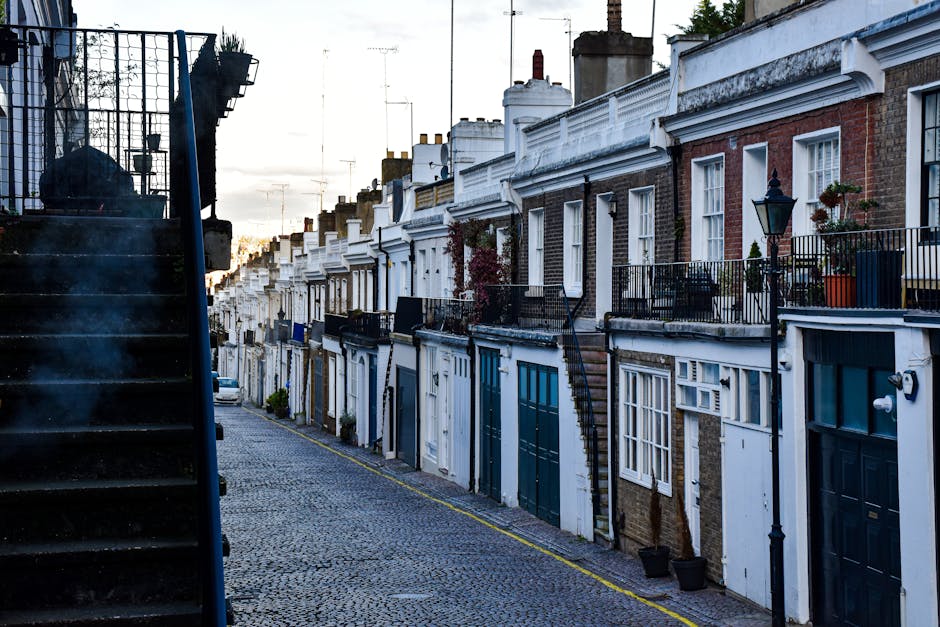
The Harringay Ladder has a character all its own. Beautiful terraces, busy local traffic, and streets that can feel wonderfully lived-in all create one simple moving challenge: access is often limited. A van may fit in theory, but in practice you still need to think about where it stops, how long it can stay there, and whether your sofa is going to clear the doorway without a wrestling match.
Narrow streets matter because they affect almost every part of the move:
- where the van can legally and safely wait
- how far items must be carried by hand
- how quickly loading and unloading can happen
- whether neighbours, cyclists, or passing cars are in the way
- how much time and labour the job really needs
That last point is often overlooked. On paper, a move can look small. But if the van cannot pull up near the door, even a short job can suddenly take longer and require more care. This is where a properly planned man with a van in Harringay makes a real difference. The right approach is not just about transport; it is about making the street work for the move, not against it.
There is also the trust side. When you know a service understands local streets, stairways, and the day-to-day rhythm of the area, you are less likely to be stuck improvising at the kerb while the clock keeps ticking. If you want to read more about the area itself, the post on what locals say about living in Haringey gives useful context for the neighbourhood feel.
How Harringay Ladder Man and Van Tips for Narrow Streets Works
In simple terms, a good narrow-street move is all about reducing friction. You are trying to shorten walking distance, prevent delays, and keep handling to a minimum. That means planning the route, choosing the right vehicle size, packing properly, and agreeing on the exact loading point before the van arrives.
A typical local man and van move in the Ladder usually works like this:
- Pre-move assessment: you describe the property, access, floor level, parking situation, and any bulky items.
- Vehicle choice: the provider selects a van that suits the street and the size of the load, not just the load alone.
- Arrival and positioning: the crew aims to park as close as possible to the entrance without blocking traffic or creating risk.
- Quick, organised loading: boxes and furniture are moved in a sequence that protects fragile items and avoids backtracking.
- Short transport and unloading: everything is delivered and placed where it belongs, ideally with no extra trips.
What makes this work on narrow streets is communication. You do not need a dramatic, military-style operation. But you do need clarity. For example, if your road often fills with parked cars by mid-afternoon, say that upfront. If your staircase is steep, mention it. If there is no lift and your flat is at the top of the building, that matters too. A professional team will use that information to plan the right method, and possibly recommend flat removals in Harringay or, for heavier pieces, furniture removals support.
Truth be told, the best moves are often the boring ones. No drama. No extra shuffling of items because the van was too large. No one trying to reverse into a space they should never have attempted in the first place.
Key Benefits and Practical Advantages
Using a man and van service intelligently in the Harringay Ladder offers a few clear advantages, especially if the streets are tight and the property access is awkward.
- Less walking distance: loading from the nearest practical point saves time and effort.
- Better manoeuvrability: smaller or more suitable vehicles can handle narrow roads more easily than larger lorries.
- Faster turnaround: the right setup reduces the back-and-forth that slows everything down.
- Reduced damage risk: fewer long carries and fewer tight corners usually means less chance of scuffs and knocks.
- Lower stress: when access is planned properly, you are not making decisions on the fly.
There is also a practical financial benefit. Even if a move starts as a simple man and van job, poor access can create extra time and labour. That is why clear information at the quote stage matters. If you are comparing options, it is worth looking at pricing and quotes early, so the estimate reflects the real access conditions rather than an ideal version of the street.
Another benefit people often underestimate is neighbour goodwill. A tidy, well-managed loading process is simply less disruptive. On a terrace street, that matters. Nobody wants to be the household that blocks the road with a half-open tail lift and a mattress leaning into the drizzle.
Who This Is For and When It Makes Sense
This kind of move is a strong fit for anyone dealing with local access constraints in and around the Harringay Ladder. That includes tenants moving between flats, homeowners shifting furniture, students taking smaller loads, and small businesses relocating equipment or files.
It makes particular sense if you are:
- moving from a top-floor flat with limited parking nearby
- relocating a small household without enough furniture for a full removals lorry
- handling a same-day or short-notice move
- transporting a few awkward items through a street with restricted stopping points
- splitting a move into two smaller trips rather than one oversized one
For students, the lighter-touch approach can be especially useful, and student removals in Harringay are often a better fit than a larger move package. For office contents, the same planning logic applies, just with more attention to equipment and timing, which is why office removals in Harringay can be worth considering if you are moving work items on a tight schedule.
If your move includes a piano, heavy wardrobe, or anything unusually awkward, do not assume a generic approach will do. Dedicated handling matters. That is where specialist pages like piano removals in Harringay become relevant.
Step-by-Step Guidance
Here is the practical version. If you follow these steps, you will already be ahead of a lot of rushed local moves.
1. Survey the street before moving day
Look at the road at the time you expect the van to arrive. Is it lined with parked cars? Are there corners where a larger van would struggle? Is there a school run, bin collection, or a busy delivery pattern? Even a brief walk can tell you a lot. Some streets in the Ladder look manageable at 9am and packed by early afternoon. Timing changes everything.
2. Measure the awkward bits
Do not only measure the furniture. Measure door widths, stair turns, hallway corners, and anything that may catch. A sofa that fits in the room can still be a nightmare in the stairwell. A washing machine that seems fine in the kitchen may need a careful carry through a tight entryway.
3. Decide where the van should stop
Pick the nearest safe loading point rather than the most optimistic one. If your front door is on a narrow terrace street, the best spot may be around the corner, not directly outside. The goal is a clear, safe handover point with the fewest possible obstacles.
4. Pack for speed, not just storage
In narrow streets, time at the kerb matters. Boxes should be sealed, labelled, and ready to go. Loose items are what slow things down. If you need proper packing supplies, packing and boxes in Harringay is a sensible starting point for organising the move properly.
5. Separate essentials from everything else
Keep documents, chargers, medication, keys, and a kettle bag close by. You really do not want to be digging through a stack of boxes at the new place because the Wi-Fi router is somewhere under a lamp and three tea towels.
6. Load in the right order
Start with the heaviest items and the largest boxes, then build around them. Fragile items should be placed safely and ideally not under pressure. The sequence matters more than people think, especially when the van cannot be parked for long.
7. Keep the handover simple
Tell the crew what goes where. Clear labels save time at both ends of the journey. If something must be kept upright, say so. If one item is going into storage, mark it clearly and keep it grouped together. If storage is part of the plan, storage in Harringay can help when you do not want everything delivered at once.
8. Check the final sweep
Before the van leaves, do a quick walk-through. Cupboards. Behind doors. Under beds. It sounds obvious, but it is usually the tiny things that get left behind. The one plant. The spare charger. The coat you swore was already in the box.
Expert Tips for Better Results
A few experienced habits make a big difference on narrow roads. These are the sorts of things local movers tend to learn the hard way, then never forget again.
- Book for the calmer part of the day: mornings are often easier for access, though every street has its own rhythm.
- Use smaller but smarter loads: two neat trips can be easier than one overloaded one if the street is especially tight.
- Protect the walking route: clear hallways, front steps, and landings before the van arrives.
- Keep bulky items together: if you have a chest of drawers, mattress, or sofa, group them logically so they are not scattered around the home.
- Tell people what is coming: if you share a building, let neighbours know about loading times where appropriate.
- Use wrappers and blankets sensibly: a few well-placed protective layers beat a mountain of loose tape and guesswork.
One quiet but valuable tip: do not over-pack boxes just to reduce the number of them. Heavy boxes are slower, harder to stack, and more awkward to carry down tight stairs. A box that is manageable in one hand is often worth more than a box that looks neat but feels like a brick. Slightly boring advice, maybe. Very useful though.
If you are unsure whether your move needs a standard man and van setup or a fuller removals approach, the removal services in Harringay page is useful for understanding the broader options. And if you want a local company profile before booking, the about us page can help with that trust-building bit people often want before they commit.
Common Mistakes to Avoid
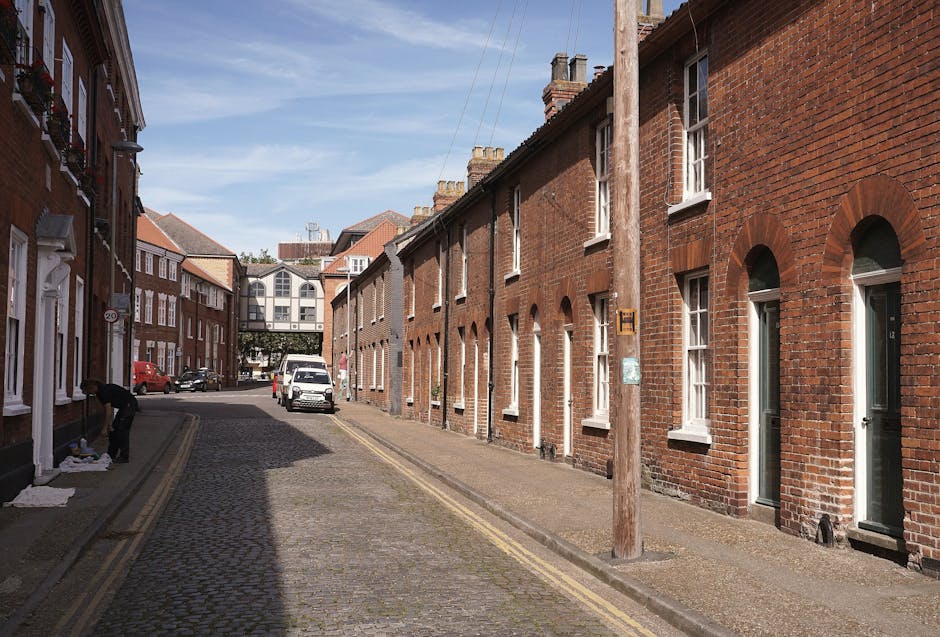
Narrow streets punish vague planning. The mistakes are usually predictable, which is good news, because they are easy to avoid.
- Choosing the wrong van size: too big and you create access problems; too small and you create extra trips.
- Underestimating parking issues: a spot that looks available on arrival may not be available for long.
- Failing to mention stairs: stairs change labour, pace, and handling needs.
- Leaving packing until the last minute: rushed packing means lost time and damaged items.
- Ignoring bulky-item handling: wardrobes, pianos, and heavy furniture need more than goodwill and muscle.
- Assuming every street behaves the same: one road can be forgiving, the next one impossible at certain times.
A surprisingly common issue is people booking a service for "just a few things" and then realising there are far more items than expected. The old joke is that possessions multiply when you try to move them. Slight exaggeration, but not by much. Be honest about volume and access, and the job becomes far more manageable.
Tools, Resources and Recommendations
You do not need fancy equipment to move well, but a few basic tools can make life much easier in the Ladder.
- Furniture blankets: useful for doors, corners, and polished surfaces.
- Ratchet straps or tie-downs: important for keeping loads stable in transit.
- Strong tape and labels: simple, but absolutely worth having.
- Stretch wrap: handy for drawers, cushions, and loose parts.
- Hand trolley or sack truck: helpful on longer carries where the pavement allows it.
- Reusable boxes or sturdy cartons: better than mixed, weak packaging that collapses mid-move.
From a service perspective, a good local provider should also be comfortable discussing timing, access, vehicle choice, and safety. You can review practical information on insurance and safety if you want reassurance about how risk is managed. For sustainability-minded customers, there is also a helpful recycling and sustainability page, which may be useful if you are clearing items during the move.
If you need a same-day arrangement because plans changed suddenly, same-day removals in Harringay can be a good fit for last-minute local jobs. Not every move is tidy and planned three weeks in advance. Life happens.
Law, Compliance, Standards and Best Practice
For most domestic moves, the main compliance issues are practical rather than complicated: safe loading, sensible parking, considerate handling, and clear customer communication. In London, narrow residential streets often require more care simply because they are shared spaces. That means avoiding blocked driveways, keeping pavements clear where possible, and not creating hazards for pedestrians or other road users.
Professional movers should also work in line with ordinary UK expectations around safety, liability, and transparent service terms. That does not mean you need a legal lecture before moving a kettle, thankfully. It does mean you should understand what is included, what is excluded, and how the company handles damage, delays, and complaints. If you want those basics in plain English, the pages on terms and conditions, complaints procedure, and payment and security are sensible places to check.
For larger or more complicated jobs, best practice also includes honest pre-move disclosure. If access is tight, say so. If there are stairs, say so. If the item is unusually heavy, fragile, or awkward, say so. That simple habit protects everyone involved and usually leads to a better quote as well.
Options, Methods and Comparison Table
Different moving methods suit different streets, loads, and time pressures. Here is a simple comparison to help you choose the right approach.
| Option | Best for | Strengths | Potential drawbacks |
|---|---|---|---|
| Small man and van | Flat moves, local trips, narrow streets | Flexible, easier to park, cost-effective for smaller loads | May need multiple trips if underestimated |
| Larger removals vehicle | Heavier household moves with more volume | Good for bigger loads, fewer trips | Harder to position on tight roads |
| Full removals service | Large or complex homes, lots of furniture, heavy lifting | More support, more hands, less manual burden | Can be more than you need for a small local move |
| Storage plus staged moving | Staggered handovers, renovations, uncertain dates | Great for flexible timing and decluttering | Requires planning and coordination |
For many people in the Ladder, the sweet spot is a well-organised local van service rather than an oversized truck. If you are moving a house rather than a flat, the balance may change, so the house removals in Harringay page can help you think through the larger-job option. If the move is mainly items and fixtures rather than a full household, removals in Harringay may better match your needs.
Case Study or Real-World Example
A common local scenario goes something like this: a renter in a top-floor flat off a narrow Ladder street needs to move to another place just a few miles away. The street has parking on both sides, the stairwell turns sharply on the first landing, and the biggest item is a three-seat sofa that definitely looked smaller in the shop.
Instead of booking the biggest van available, the move is planned around access. The provider asks for photos of the stairwell and front entrance. The client packs everything into labelled, stackable boxes. Loose lampshades and mirrors are set aside for careful wrapping. The van arrives early enough to avoid the heavier traffic window, and the crew parks at the nearest workable point rather than insisting on the exact front door.
The result? The move is completed with fewer delays, no repeated carrying of items, and a much calmer handover at both ends. There is still effort involved, of course. Moving is moving. But the street no longer feels like an obstacle course.
For moves near busier routes or tighter stair access, you may also find the related guide on tight stair moves in Haringey useful, especially if your route crosses more congested parts of the area.
Practical Checklist
Use this checklist before moving day. It is simple, but it works.
- Confirm the moving date and arrival window
- Describe the street access honestly, including parking and stairs
- Measure large furniture and awkward items
- Pack boxes securely and label them clearly
- Set aside essentials for immediate access
- Protect fragile surfaces with blankets or wrap
- Clear hallways, steps, and doorways
- Check where the van can stop safely and legally
- Tell the provider about any storage needs
- Review insurance, payment, and service terms before the day
Expert summary: the best narrow-street move is not the one with the biggest vehicle or the most aggressive pace. It is the one with the cleanest access plan, the least wasted motion, and the calmest handover. If you get those three things right, the whole process gets easier, almost quietly so.
Conclusion
Moving in the Harringay Ladder does not need to feel complicated, even if the streets are tight and the parking is a bit awkward. With the right planning, the right vehicle, and a realistic view of access, a man and van move can be efficient, sensible, and surprisingly low-stress. The key is to think about the street first and the boxes second. That order matters.
Whether you are moving a flat, a house, one heavy item, or a short notice load, a local service that understands narrow streets will always give you a better starting point. The advice in this guide should help you avoid the usual headaches and keep your move moving, which is really what you want.
If you are ready to plan your move, it makes sense to speak with a local team early, share the details of your access, and get a tailored quote rather than guessing. Get a free quote today and see how much you can save.
And if you want to check how the company works day to day, a quick look at the customer testimonials, the services section, and the contact page is a sensible next step. Small move, big peace of mind. Worth doing properly, every time.