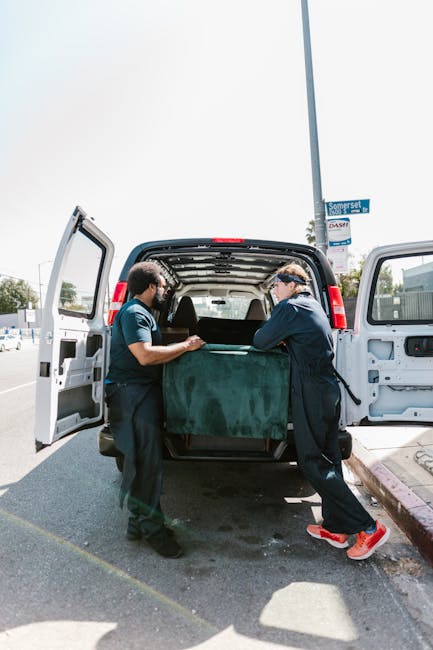
Green Lanes removals for tight stair moves in Harringay
Posted on 02/05/2026
Moving on or near Green Lanes can look straightforward on a map and then become a very different story once you meet the staircase. Narrow turns, awkward landings, low ceilings, older terraced conversions, top-floor flats, and heavy furniture do not always get along. That is exactly why Green Lanes removals for tight stair moves in Harringay need a slightly different approach from a standard house move. The goal is not just to get things out the door. It is to move them safely, calmly, and without turning a weekday morning into a small disaster. Truth be told, that little difference matters a lot.
In this guide, you'll find a practical breakdown of how stair-heavy moves work in this part of Harringay, what makes them tricky, which services help most, and how to avoid the mistakes that cause damage, delays, and needless stress. If you're comparing options, you may also find it useful to look at the wider services overview and the local removal services in Harringay before you book anything.
Whether you're moving a one-bed flat above a shop, shifting family furniture down a Victorian staircase, or dealing with a tight staircase that seems designed by someone with no furniture at all, this article will help you plan properly. And yes, there is a sensible way to do this without overthinking every box.
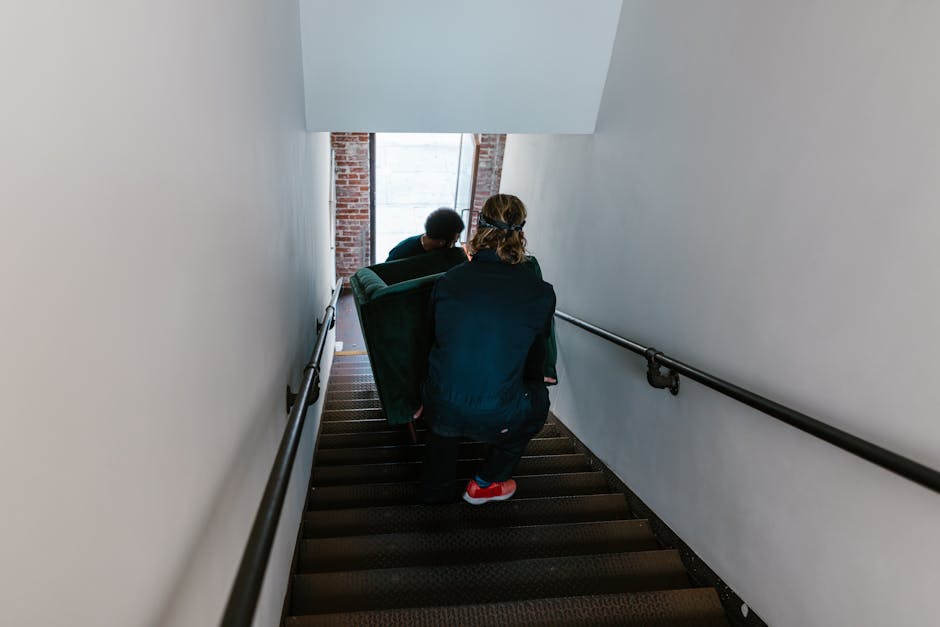
Why Green Lanes removals for tight stair moves in Harringay Matters
Green Lanes is busy, built-up, and full of mixed property types. That means removals here often involve a combination of road access issues and interior access issues. A van may be parked perfectly fine outside, but the real challenge starts indoors: flights of stairs, narrow corridors, sharp corners, and shared entrances with limited space for manoeuvring.
This matters because stairs change the whole risk profile of a move. A sofa that would glide straight into a delivery lift elsewhere may need careful tilting, protection, and a two-person lift here. A wardrobe that feels manageable in the room can become awkward the moment it hits the banister. One slip, and you're not just dealing with a broken item. You could also scratch the wall, damage the stair edge, or strain someone's back. Not ideal.
There is also a timing issue. Stair moves often take longer than people expect, especially when the team has to pause at landings, rotate large items, or protect surfaces before each descent. If you're moving from a flat above Green Lanes, or into one, this kind of planning is not a luxury. It is the difference between a smooth relocation and a messy one.
For local context, many residents are moving between flats, maisonettes, and converted houses, so stairs are not unusual - they are the norm. If you're also thinking about the wider housing picture in the area, the article on what locals say about living in Harringay gives a useful sense of the neighbourhood and why access can be so variable from street to street.
How Green Lanes removals for tight stair moves in Harringay Works
At a practical level, stair-focused removals are about planning the route before anyone lifts a thing. A good moving team will look at the item, the stair shape, the landing width, the condition of the walls, and the likely lifting angle. Then they'll decide whether the item should be carried normally, rotated, stood on end, disassembled first, or wrapped and moved with extra protection.
The process usually starts with a quick assessment. Sometimes that happens on a call, sometimes from photos, and sometimes in person if the move is unusually tight. The key question is simple: can this item move safely without damage to the item, the property, or the people carrying it?
If the answer is yes, the team prepares. That may mean using furniture blankets, stretch wrap, straps, trolley aids, and proper gloves. It may also mean removing lamp shades, legs, mirrors, or shelves to reduce bulk. In some homes, a staircase move is really a small puzzle. Solve the puzzle early, and the rest goes much faster.
Local moving services such as man and van in Harringay or a more structured removals service in Harringay can be a good fit depending on volume. If you only have a few bulky items, a compact vehicle and a careful crew may be enough. If the job involves multiple rooms, delicate furniture, or timing pressure, you may need a fuller removals setup with extra hands.
Here's the part people often miss: stair moves are not just physical. They are logistical. The team must manage entry, exit, parking, building rules, loading order, and the direction of flow through the property. Once you understand that, the whole thing starts to make sense.
Key Benefits and Practical Advantages
When stair access is tight, a well-organised move brings benefits that go beyond the obvious. Yes, it protects your furniture. But it also protects your nerves, your schedule, and your deposit if you're leaving rented accommodation. That last one tends to get people's attention pretty quickly.
- Less damage risk: Careful lifting and route planning reduce scuffs, chips, and broken fittings.
- Better time control: Knowing the stair route in advance avoids awkward delays halfway through the move.
- Reduced stress: You are not improvising with a heavy sofa on a tight landing. Enough said.
- Safer handling: Proper technique helps prevent back strain and dropped items.
- Cleaner property protection: Blankets, covers, and corner guards help keep stairwells and walls in good condition.
- More suitable vehicle choice: The right van size means fewer trips and less faffing about on the road.
There is also a more subtle benefit: confidence. When a move is clearly under control, everything else becomes easier. Boxes are packed more sensibly, the handover is calmer, and you can actually think while it happens. Small thing, maybe. But it changes the whole day.
If you're trying to match the service to the job, it can help to compare specialist options like flat removals in Harringay and house removals in Harringay. Flats often bring stair challenges, while houses may bring larger items and longer carrying distances. Different problems, same need for careful handling.
Who This Is For and When It Makes Sense
This kind of removal service makes sense for anyone whose route includes narrow stairs, tricky corners, or a building layout that turns ordinary furniture into a geometry exercise. If you live near Green Lanes, there is a decent chance you'll recognise at least one of these situations.
- People moving into or out of upper-floor flats without a lift
- Tenants needing a fast, tidy move between rented properties
- Homeowners shifting large furniture through older staircases
- Students and sharers moving between compact rooms or shared houses
- Small businesses relocating from split-level offices or converted spaces
- Anyone with awkward items like wardrobes, sofas, beds, or pianos
It is especially relevant if you've already walked the route and thought, "Hmm, that corner looks a bit tight." That instinct is usually right. People often underestimate access until the day of the move. To be fair, it's easy to do. You only notice the banister width when a mattress is halfway sideways and the silence gets very loud.
If your move is part of a broader property transition, you may also find the local housing content on property listings in Harringay useful, especially if you're planning a purchase or switch in the same area and want to factor access into your decision.
Step-by-Step Guidance
Here's a practical way to think about a tight-stair move on or near Green Lanes. This is the bit that often saves people time and a bit of money too.
- Assess the access first. Measure stair width, landing space, door frames, and any awkward turns. If you can, take photos from the bottom and top of the stairs.
- List the difficult items. Sofas, beds, wardrobes, desks, bookshelves, and anything bulky or fragile should be flagged early.
- Decide what can be dismantled. Removing legs, headboards, shelves, and drawers often makes a huge difference.
- Book the right service. For lighter or smaller moves, a man with a van in Harringay may be enough. For larger or more complex moves, you may want a full team.
- Pack to reduce awkward loads. Use smaller boxes for books and dense items so you do not end up with a box nobody can safely carry.
- Protect the route. Covers, blankets, and corner protection can save a lot of repair headaches.
- Load in the right order. Items needed first should be loaded last, and vice versa. Simple, but people forget.
- Communicate on the day. Tell the crew about fragile items, weak stair edges, or tight turns before the carrying begins.
A good rule of thumb: if an item feels uncomfortable to carry when you're fresh and focused, do not wait until you're sweaty and tired to deal with it. That never ends well.
Expert Tips for Better Results
After enough local moves, certain patterns show up again and again. The best outcomes usually come from simple, careful planning rather than clever last-minute heroics.
- Measure the item, not just the room. A sofa can fit in a lounge and still fail at the stair bend.
- Photograph the stairwell before moving day. That helps the team judge angles and access more accurately.
- Keep hallways clear. Shoes, bins, prams, and random storage baskets are the silent enemies of a quick move.
- Use proper wrapping for delicate surfaces. Gloss finishes, glass panels, and polished wood mark very easily.
- Plan for parking too. Even a perfect stair plan can stall if the van has to park awkwardly or too far away.
- Book earlier than you think. Good moving slots go quickly, especially around month-end and weekends.
Here's a useful local habit: if you're living in a converted flat or a building with shared access, speak to neighbours or the managing agent early. A little notice can help avoid blocked entrances, arguments about stair use, or someone leaving shopping bags right where the wardrobe needs to pass. It happens more than you'd think.
For extra reassurance around the service provider itself, many readers like to check business background pages such as about the company, insurance and safety guidance, and the published health and safety policy. Those pages help you judge whether the crew is set up properly for a careful move.

Common Mistakes to Avoid
Most tight stair problems are avoidable. Not all of them, of course, but most. The biggest issue is usually underestimating the access challenge and then trying to solve it on the spot. That's when people start lifting in a panic, and that is exactly when things chip, scrape, or pinch.
- Guessing measurements instead of checking them. "It should fit" is not a plan.
- Leaving disassembly too late. If a bed frame needs taking apart, do it before the stairwell becomes crowded.
- Using overfilled boxes. Heavy boxes are hard to control on stairs and can give way at the bottom.
- Ignoring wall protection. Narrow stairwells leave little room for error.
- Assuming one person can manage it all. They usually cannot, and shouldn't have to.
- Forgetting the exit route. A staircase can be just as tricky on the way out as on the way in.
Another easy mistake is booking only by van size. Van size matters, yes, but stair difficulty, item weight, and carrying distance matter just as much. A small job on paper can still become a full-strength logistical puzzle if the stairwell is narrow and the item list is awkward.
Tools, Resources and Recommendations
The right tools do not make a bad plan good, but they make a good plan much better. For tight stair moves, the usual kit is fairly practical and unglamorous, which is as it should be.
- Furniture blankets: Help protect finishes from knocks and scrapes.
- Stretch wrap: Keeps drawers shut and reduces surface marks.
- Removal straps: Improve grip and control on stairs.
- Trolley aids: Useful for specific items, though not every stairwell suits them.
- Corner protectors: Handy where stair edges or door frames are vulnerable.
- Strong tape and labels: Small investment, big payoff when unpacking starts.
For packing support, the local pages on packing and boxes in Harringay and packaging boxes can help if you need to sort materials before moving day. Good packing makes stair moves simpler because the load is more predictable.
If you are moving something unusually delicate or heavy, like a piano, the specialist route matters even more. In that case, it is worth checking the dedicated piano removals in Harringay page rather than treating it like a standard item. Pianos and staircases are not best friends. Not even close.
And if you need storage because your new place is not quite ready, the storage in Harringay option can reduce the pressure of having to solve everything in one day.
Law, Compliance, Standards, or Best Practice
For most residential moves, the main compliance concerns are practical rather than dramatic. You are looking at safe lifting, proper handling, insurance cover, access etiquette, and respect for property rules. If the move involves a shared building, there may also be house rules or managing-agent requirements about lift booking, moving hours, stair protection, or parking. These vary, so check early.
From a best-practice point of view, a professional moving team should work in a way that reduces risk to people and property. That normally means:
- using suitable equipment for the load
- avoiding unsafe solo lifting where two-person handling is needed
- protecting walls, doors, and flooring where appropriate
- taking care with fragile or high-value items
- communicating clearly about access issues and limitations
You should also expect a sensible approach to insurance and safety. If you are comparing providers, read their policy pages carefully, and do not feel awkward about asking what happens if an item is damaged, how claims are handled, or whether specific items need special notice. That is ordinary due diligence, not fussiness.
For formal business information, useful pages include terms and conditions, payment and security, complaints procedure, and the privacy policy. If you care about ethical and operational standards too, the modern slavery statement and recycling and sustainability pages add a bit more context. Good to know, really.
Options, Methods, or Comparison Table
Not every stair-heavy move needs the same setup. The best choice depends on how much you're moving, how awkward the access is, and how much time you have.
| Option | Best for | Strengths | Limitations |
|---|---|---|---|
| Man and van | Small flat moves, a few bulky items, local journeys | Flexible, efficient, often well suited to compact jobs | May not suit larger homes or very heavy loads |
| Full removals team | Multiple rooms, family moves, mixed furniture | More hands, better for complex stair routes | Usually more involved to organise |
| Same-day removals | Urgent moves, short notice, unexpected deadlines | Fast turnaround, practical in a pinch | Availability can be tight, planning is still important |
| Specialist item move | Pianos, fragile furniture, high-value pieces | Extra care and tailored handling | Needs more detail up front and sometimes a separate quote |
If you are unsure which route suits your situation, a good starting point is the local pricing and quotes page. It helps you think in terms of job complexity rather than just "how many items?"
Case Study or Real-World Example
Here is a realistic kind of move that comes up often around Green Lanes. A couple are leaving a second-floor flat in a converted building. They have a bed frame, mattress, sofa, dining table, four chairs, a bookcase, and about twenty boxes. The staircase is narrow, with a turn at the half landing and a low-ish ceiling on the upper section. Nothing outrageous, but enough to make careless carrying a bad idea.
Instead of trying to move everything as-is, they take the following approach:
- the bed is dismantled the night before
- the bookshelf is emptied and wrapped
- the sofa cushions are removed to reduce bulk
- boxes are repacked so no single box is too heavy
- the team arrives with blankets, wrap, and straps
- the stair route is checked before the first lift begins
The move still takes effort, of course. It is a stair move, not a magic trick. But because the planning is done early, the team moves steadily rather than wrestling with surprises. Fewer pauses, less shouting through doorways, fewer "hang on, let's try it sideways" moments. That usually means less stress for everybody involved.
One small detail made a big difference: the residents cleared the hallway and let the neighbours know the approximate moving window. No blocked entrance. No awkward squeeze past shopping bags. Just a quieter, cleaner exit. Sometimes the tiny things are the whole thing.
Practical Checklist
Use this checklist a day or two before moving if you are dealing with tight stairs near Green Lanes.
- Measure stair width, landings, and door frames
- Photograph any awkward bends or low ceilings
- Identify furniture that needs dismantling
- Label fragile items clearly
- Pack heavy items into smaller boxes
- Clear hallways, landings, and entry paths
- Confirm parking and access arrangements
- Check whether your building has moving rules or booking times
- Arrange blankets, wrap, and tape
- Keep keys, paperwork, and essentials easy to reach
- Tell the moving team about any problem items in advance
Expert summary: If stairs are tight, planning matters more than muscle. Measure first, dismantle where possible, protect the route, and choose a moving service that understands local access problems. That simple sequence prevents most of the drama.
Conclusion
Green Lanes removals for tight stair moves in Harringay are all about turning a difficult layout into a manageable process. Once you accept that the staircase is part of the job, not an afterthought, everything gets easier to organise. The right packing, the right team size, the right vehicle, and a bit of honest preparation can save a lot of strain and a fair bit of money too.
Whether you are moving a single sofa, an entire flat, or a delicate item that absolutely refuses to cooperate with the stairs, the best outcome comes from preparation and the right support. If you want a broader look at the available services, explore the services section, read a few customer experiences, or get in touch through the contact page when you are ready to talk through the details.
Get a free quote today and see how much you can save.
And if you're still at the "is this going to fit?" stage, that's fine. It's a normal place to start. With the right plan, even a tight staircase can feel less like a problem and more like just another part of getting home.