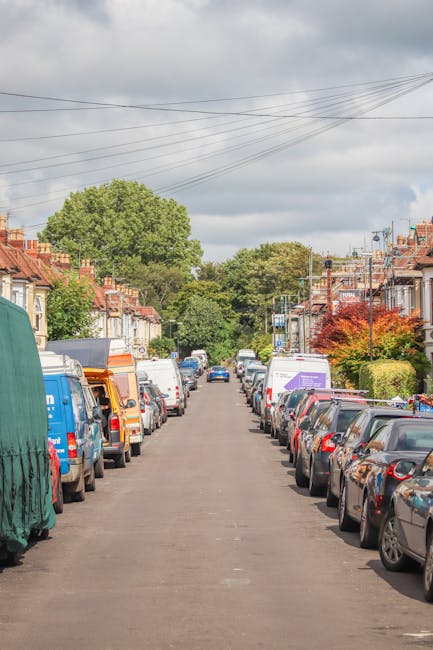
Top removals problems in Harringay narrow access jobs
Posted on 30/06/2026

Anyone who has tried moving a sofa through a Victorian hallway in Harringay knows the feeling: the door looks wide enough, the staircase looks usable, and then reality arrives. The bannister gets in the way, the van can't park close enough, and suddenly a simple move becomes a careful puzzle. That is exactly why the top removals problems in Harringay narrow access jobs deserve proper attention before moving day, not after the first scratched wall or delayed loading run.
This guide breaks down the most common access headaches, why they matter, how professional movers usually handle them, and what you can do to keep the day calm. If you are moving from a flat above shops, a tight terrace, or one of the older roads around N4, you will recognise a few of these issues straight away. And yes, some of them are annoyingly predictable.
Why Top removals problems in Harringay narrow access jobs Matters
Narrow access is not just a mild inconvenience. In removals, it affects cost, timing, safety, and whether your furniture gets out in one piece. In Harringay, that can mean narrow stairwells, controlled parking, limited roadside space, shared entrances, basement steps, and awkward turning points for the van. Add a rainy London morning and a few impatient neighbours, and the pressure rises quickly.
The real issue is that access problems usually multiply. A blocked front path slows the trolley. A van that has to park farther away means more carrying distance. A low ceiling on the landing makes wardrobes harder to tilt. One small access issue can turn into half a dozen time drains. If you have ever watched movers carry a wardrobe down a staircase one careful inch at a time, you know there is no room for guesswork.
It matters even more in compact urban streets because the work is often done under time pressure. That is where people get caught out by hidden removals charges in Harringay, especially when access issues were not discussed properly at quote stage. Good planning protects both the move and the budget.
Expert summary: narrow access jobs are won or lost in the preparation stage. Measure, photograph, confirm parking, and tell the removals team everything that could slow them down. A little honesty upfront saves a lot of drama later.
How Top removals problems in Harringay narrow access jobs Works
In a well-run narrow access move, the removals company does not just turn up and hope for the best. They assess the property layout, ask the right questions, and decide whether the job needs a smaller vehicle, extra porters, special lifting techniques, or a different loading plan altogether.
Usually the process starts with a quick access review. That may include:
- street width and turning room
- parking distance from the door
- staircase width and landings
- lift size, if there is one
- door frames, bends, and awkward corners
- item sizes, especially sofas, beds, wardrobes, and appliances
- time restrictions from building management or local parking rules
Once the route is clear, the team chooses the safest loading pattern. For example, a flat above shops on Green Lanes may need short carry routes and tighter vehicle positioning, while a top-floor flat in an older terrace may need more careful wrapping and a two-person carry for bulky furniture. If the access is especially tight, movers may split the load into smaller trips rather than forcing everything in one go. It is slower, sure, but often much safer.
For some moves, a specialist service is the better fit. A flat removals Harringay service is often better suited to stair-heavy, access-limited properties than a general same-size job. In other cases, the right answer is a flexible man and van Harringay arrangement, especially when the volume is modest and the access is the main challenge.
Truth be told, most removal problems in tight-access jobs come from mismatch. The property is one thing; the vehicle and team are another. When those two do not match, you feel it almost instantly.
Key Benefits and Practical Advantages
When narrow access is handled properly, the benefits go beyond just avoiding damage. You get a move that feels controlled instead of chaotic. That sounds obvious, but in removals it is huge.
- Less damage risk: fewer scrapes on walls, doors, bannisters, and furniture.
- Better time control: less waiting around while the team works out how to get items through awkward spaces.
- Lower physical strain: fewer unnecessary carries and safer lifting.
- More realistic pricing: better estimates mean fewer surprise add-ons.
- Smoother neighbour relations: less blocking of hallways, shared paths, or parking bays.
- Cleaner handover: you are more likely to finish the day with your sanity intact. Which is nice.
The practical advantage is not just efficiency. It is confidence. Once you know the route is possible, and the van can be parked where it should be, the whole move becomes less emotionally draining. People tend to forget that part. Moving is physical, yes, but it is also mentally loud.
For people comparing service options, it can help to look at broader support too. A trusted removal services Harringay provider will usually be better positioned to advise on access, packing, van size, and timing than a one-size-fits-all approach.
Who This Is For and When It Makes Sense
This topic matters most if your property has at least one access complication, but in Harringay that is common enough to be almost normal. You may need extra planning if you are:
- moving from a flat above a shop or cafe
- dealing with narrow staircases or a tight hallway
- living on a street with poor parking access
- moving a piano, wardrobe, sofa, or other bulky item
- working around controlled entry, intercoms, or shared entrances
- trying to move out on a busy weekday with limited loading space
Students and first-time movers often underestimate this. They see a small room and think the move will be simple, then the bed frame refuses to turn the corner. On the other hand, homeowners in older properties can face the opposite issue: they expect narrow access to be difficult, but then the job turns out to need more protection for hallways and flooring than they first planned.
If your move includes valuable or awkward items, such as a piano, it is sensible to use a specialist like piano removals Harringay. That is not overkill. That is just sensible risk management.
For students in compact rented flats, student removals Harringay can be a better fit because these moves often involve short notice, smaller loads, and stair-heavy access. The job still needs care, though. A cheap and cheerful approach can get expensive if a desk gets wedged in a stairwell. Not ideal.
Step-by-Step Guidance
If you are preparing for a narrow access move in Harringay, here is the practical sequence that tends to work best.
- Map the route from room to van. Do not only look at the front door. Walk the full path with the door open, including stairs, landings, front path, and pavement.
- Measure the largest items. Write down width, height, and depth for beds, sofas, wardrobes, fridges, desks, and any awkward furniture. A tape measure is better than guesswork. Always.
- Photograph the access points. Take clear pictures of staircases, doorways, parked cars outside, and any awkward bends. These images help the removals team assess the job properly.
- Check parking and loading possibilities. Is there a bay, a permit restriction, or a narrow stretch where the van may have to stop further away? Confirm that before the day.
- Tell the removals team about fragile or heavy pieces. Bulky items need a plan. Delicate items need packing. Heavy items need enough hands.
- Book the right service level. If the move is mostly small boxes and a few items, a man with a van Harringay option may suit. If access is tricky and there is more to move, a larger team may be wiser.
- Protect the property before lifting starts. Cover floors, secure loose doors, and clear as much clutter as possible. That tiny rug near the stairs? It becomes a trip hazard very quickly.
- Build in time for the unexpected. A narrow job can reveal extra awkwardness on arrival. That is normal. Leave some breathing room in the schedule if you can.
If you are unsure how to sequence it, the best moves often come down to simple planning. Nothing fancy. Just calm preparation, good measurements, and honest communication.
Expert Tips for Better Results
Here are the things experienced removals teams tend to prioritise, because they actually make a difference on the day.
Keep the largest item problem at the centre of planning
People often plan around boxes, but the boxes are rarely the issue. It is the sofa with the fixed arms, the mattress that twists in the stairwell, or the wardrobe that needs to be angled through a bend. Start with the biggest item and work backwards.
Use short carry routes wherever possible
If the van cannot stop directly outside, think through the safest shortest walk from van to property. In Harringay, that often means working out whether a side road, driveway edge, or more suitable parking spot reduces carrying time and risk. Short carries save energy and reduce accidental knocks.
Separate dismantling from carrying
Sometimes a piece of furniture is only difficult because it has not been dismantled. Removing legs, shelves, or doors can make the move dramatically easier. It feels like extra work in the moment, but it usually pays off.
Do not understate access challenges
This one is common. People worry they will sound difficult, so they say, "It should be fine." Then the team arrives and it is not fine. To be fair, nobody loves sounding awkward on the phone, but honesty is better than a messy surprise. Mention stair width, shared corridors, parking limits, and anything that might matter.
Use protective materials early
Blankets, floor runners, corner guards, and wrap should be ready before the first heavy item moves. Once movement starts, the pace changes and people stop thinking as clearly. That is when small accidents happen.
For local planning context, useful reading can include tips for narrow streets in Harringay Ladder and guidance for flats above shops in Turnpike Lane. Those situations bring their own quirks, but the access principles are very similar.

Common Mistakes to Avoid
Most narrow access problems are not dramatic disasters. They are usually small planning misses that stack up. Here are the biggest ones.
- Ignoring parking restrictions: a van that has to park too far away can add serious time.
- Not measuring furniture properly: a "standard" sofa can still be too large for a tight turn.
- Forgetting stairhead clearance: headroom matters just as much as width.
- Assuming a lift will solve everything: some lifts are too small, too slow, or not available at moving times.
- Leaving items packed badly: loose drawers, hanging doors, and overfilled boxes create avoidable problems.
- Underbooking manpower: one extra pair of hands can be the difference between smooth and stressful.
- Not warning the building manager or neighbours: shared access needs a bit of notice, otherwise you can run into avoidable friction.
There is also a less obvious mistake: choosing a service only by price. A lower quote can look tempting until access issues are treated as an "extra." If you want a clearer picture of how pricing and job scope fit together, take a look at pricing and quotes before you book anything. It helps set realistic expectations.
Tools, Resources and Recommendations
You do not need a warehouse full of gear to handle a narrow access move. But a few practical tools make life much easier.
| Tool or resource | Why it helps | Best used for |
|---|---|---|
| Tape measure | Confirms whether furniture and stair widths are workable | Planning item movement |
| Furniture blankets | Protects wood, paintwork, and doors from scuffs | Large item transport |
| Ratchet straps | Keeps items secure in transit | Van loading and stacking |
| Floor protection | Reduces damage to carpets and hard floors | Hallways and stair routes |
| Labels and markers | Makes unpacking cleaner and faster | Box sorting and room placement |
For people who want a fuller service mix, services overview is useful because narrow access jobs often work best when packing, moving, and storage are considered together. If you are in between homes or need to reduce volume, storage Harringay can solve a lot of pressure very quickly.
And if the move is last-minute, same day removals Harringay may help, provided the access issues are explained upfront. Urgent does not have to mean chaotic, though it sometimes feels like it at 7:30 on a wet morning.
Law, Compliance, Standards or Best Practice
For narrow access removals, the biggest compliance concerns usually sit around safety, parking, manual handling, building rules, and fair treatment of property. The exact rules vary by location and property type, so it is sensible to check building requirements and local parking restrictions before move day rather than assuming the street will be manageable.
Good practice usually includes:
- safe lifting and carrying methods
- clear communication about heavy, awkward, or fragile items
- appropriate vehicle selection for the job
- respect for shared spaces, entrances, and neighbour access
- insurance cover suitable for moving goods and handling property carefully
If you are choosing between removal providers, it is worth looking at their approach to insurance and safety and their health and safety policy. That gives you a better sense of how seriously they take narrow access work, especially when stairs, awkward corners, or valuable items are involved.
On the customer side, read terms carefully. Understand what happens if access is worse than described, if parking cannot be secured, or if the job takes longer than planned. The small print is not glamorous, admittedly, but it can save a headache.
Options, Methods, or Comparison Table
Different narrow access moves need different approaches. There is no single magic answer, and anyone claiming there is probably has not carried a wardrobe up three flights of stairs lately.
| Method | Best for | Pros | Trade-offs |
|---|---|---|---|
| Man and van | Smaller loads, short-distance moves, lighter access issues | Flexible, often cost-effective, quick to arrange | May be limited if access is very tight or the load is bulky |
| Full removals team | Larger homes, multiple rooms, awkward furniture, stairs | More manpower, better for heavy or delicate items | Usually higher cost |
| Specialist flat removals | Flats, maisonettes, above-shop properties | Better tailored to tight entrances and staircases | May require more detailed planning beforehand |
| Storage-plus-move approach | Moves with volume reduction or timing gaps | Lets you split the move and reduce pressure | Needs more coordination |
In practice, many Harringay moves combine methods. A flat move may use a smaller van for access, then a fuller service for lifting and protection. That hybrid approach often works well when the route is the real problem, not the volume alone.
Case Study or Real-World Example
Here is a realistic example. A couple moved from a first-floor flat near a busy stretch with limited outside parking. The stairwell had a tight turn halfway down, the sofa had fixed arms, and the wardrobe looked simple until it was angled toward the landing. They initially expected a straightforward half-day move. It was not straightforward.
What made the difference was the pre-move conversation. The moving team was told about the stairs, the parking issue, and the awkward sofa. Photos were sent in advance. The wardrobe was dismantled the day before. Smaller items were grouped by room. Because of that, the team arrived with the right tools, a sensible carry plan, and enough protection for the building entrance.
The move still took longer than a wider-access job would have done. Of course it did. But there were no wall scrapes, no panicked mid-stair reshuffling, and no last-minute van drama. In other words, it went how a narrow access move should go: carefully, slightly slowly, and without anyone pretending it was easy.
That is the real lesson. Narrow access jobs do not need to be perfect. They need to be prepared.
Practical Checklist
Use this before you book and again the day before the move.
- Measure the biggest furniture items
- Check staircase width, landings, and door frames
- Photograph any tight or awkward access points
- Confirm parking options and restrictions
- Tell the removals team about stairs, lifts, and shared entrances
- Ask whether items should be dismantled in advance
- Protect floors, doors, and corners
- Label boxes clearly by room
- Keep essentials separate for the first night
- Warn neighbours or building management if needed
- Confirm insurance, timing, and any access-related costs
If you are moving out of a house rather than a flat, the same logic still applies. Older layouts can be surprisingly awkward. For that, house removals Harringay may be a better match than a general booking, especially where narrow hallways or basement steps are part of the route. And for larger items, furniture removals Harringay is worth considering so the job is matched to the actual difficulty.
Conclusion
The top removals problems in Harringay narrow access jobs are usually not mysterious. They are practical: tight stairs, limited parking, awkward furniture, shared entrances, and the kind of old-building quirks that make London moves feel a bit theatrical. The good news is that almost all of them can be managed with honest information, decent preparation, and the right type of removals support.
If you remember only one thing, make it this: do not plan a narrow access move like a standard one. Measure properly, explain the access honestly, and choose a service that fits the property rather than forcing the property to fit the service. That simple shift can save time, money, and a fair amount of stress.
For more background on local living patterns and property context, you may also find what locals say about living in Harringay and this local guide to Harringay helpful when you are planning around the area's streets and housing stock.
Get a free quote today and see how much you can save.
If you are still weighing up options, take a calm look at the job as a whole, not just the boxes. The right mover will understand the awkward bits too, and that is often where the difference really shows.